
50% cost reduction
One client reduced construction costs by 50% (7.9 MNOK → 3.5 MNOK) in a single day of analysis on an industrial site project.
Read the Norconsult energy access roads case studySolutions/Industrial Sites
Find optimal sites for your data center, converter station or other flat industrial sites—minimizing earthworks and construction costs.
L.IN.E.A screens site alternatives with mass-balance and land-use KPIs for industrial and energy projects.
Large industrial developments need sites that work with the terrain—not against it. Infraspace helps you compare options fast, with quantified feedback on earthworks, mass balance, and land use.
Evaluate thousands of potential locations for flat sites or industrial footprints simultaneously—so you shortlist the best sites before detailed design.
Optimize site elevation to get as close to net-zero mass balance as possible, cutting the cost of importing or exporting material.
Instantly see square-meter impact across land resource categories before a single shovel hits the ground.
Site location, earthworks, and KPIs for large industrial developments.
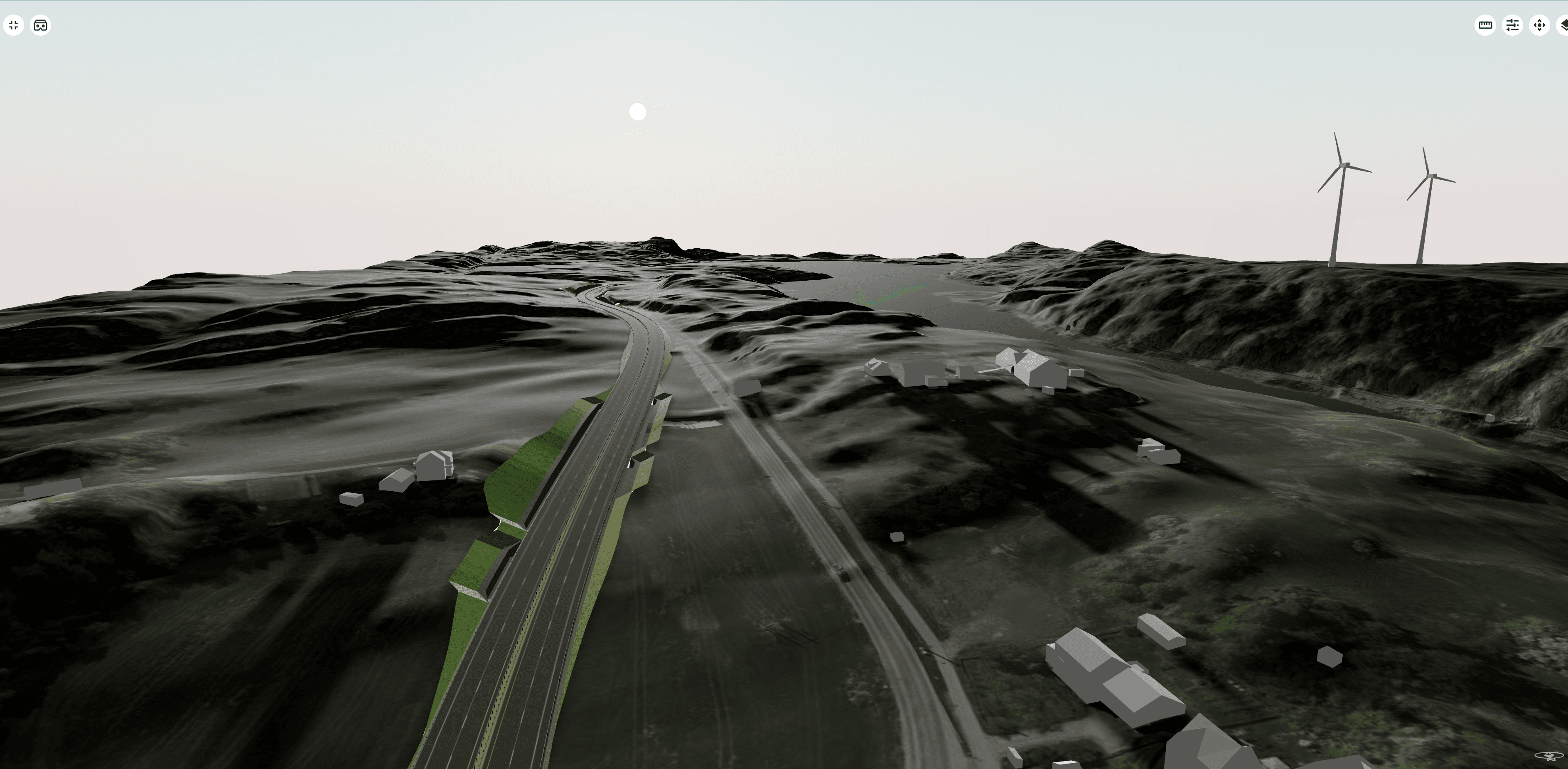
Infraspace can support roads, railways, networks of access roads, power transmission lines and industrial site location studies.
The platform is strongest when several alternatives must be considered and terrain, land take, earthworks, or environmental impact matter.
Mass balance optimization aims to reduce the surplus or deficit of excavated materials by improving the relationship between cut and fill.
Better mass balance can reduce transport, disposal, imported materials, cost, and CO2 emissions.
Infraspace can calculate KPIs such as construction cost, CO2, earthworks volumes, mass balance, area usage, land take, viewshed, environmental metrics, affected buildings, biodiversity considerations, and required structures such as bridges and tunnels.
Generative design is a method where algorithms automatically generate infrastructure alternatives based on defined objectives and constraints.
In infrastructure planning, this can include geometric rules, terrain, environmental restrictions, cost targets, land-use requirements, and CO2 objectives.
Infraspace is primarily intended for early-stage planning, feasibility analysis, corridor studies, concept development, and optioneering.
It is not positioned as a replacement for detailed engineering design tools used later in the project lifecycle, Autodesk Civil 3D or Trimble Quadri, but rather designed to integrate with these tools and provide a more efficient workflows.
AI improves decision support by giving teams consistent KPIs for many alternatives.
Cost, CO2, mass balance, land use, terrain impact, and environmental indicators can be evaluated on the same foundation, which makes trade-offs easier to explain and defend.
50% cost reduction
One client reduced construction costs by 50% (7.9 MNOK → 3.5 MNOK) in a single day of analysis on an industrial site project.
Read the Norconsult energy access roads case study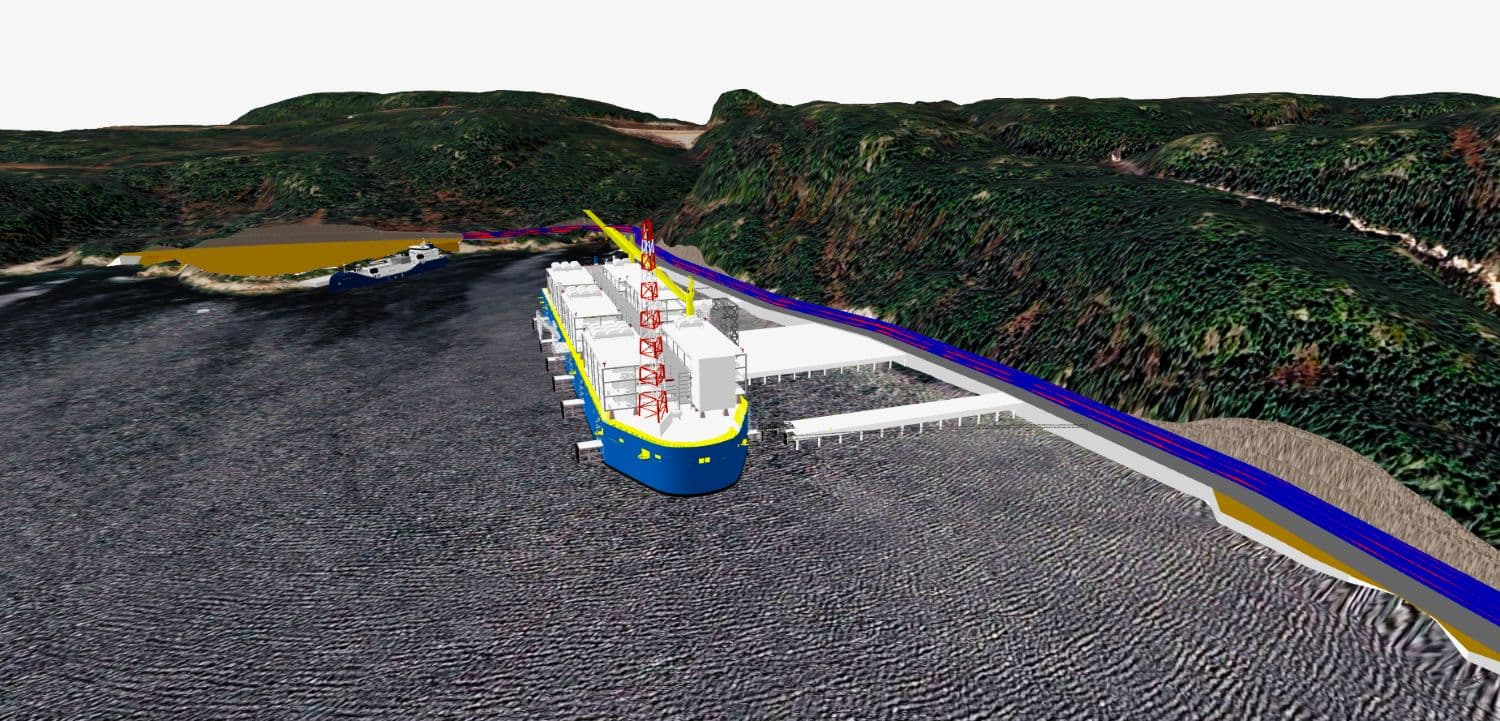

Faster exploration of alternatives
Marinvest Energy uses Infraspace to explore access roads and site locations for Kino Aski LNG.
Read the Marinvest Energy case study